

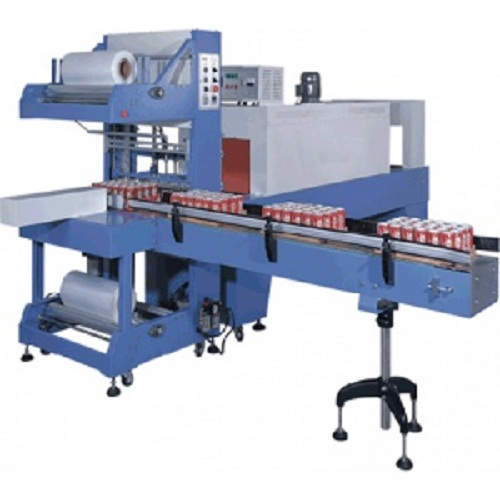
Semi Auto Shrink Wrapping Machine
A Shrink Wrapping Machine is an essential packaging machine used to apply a shrinkable plastic film around products, which then shrink tightly when exposed to heat, creating a protective, tamper-evident, and secure package. Shrink wrapping is widely used in industries like food and beverages, pharmaceuticals, cosmetics, electronics, and logistics. The primary function of a shrink wrapping machine is to wrap products in a shrink film, providing an effective way to bundle items together, safeguard against contaminants, and ensure product integrity during shipping and storage.
These machines offer an efficient, cost-effective, and aesthetically pleasing way of packaging, ensuring that products are securely wrapped without damaging the contents. Shrink-wrapped packages are often highly durable, water-resistant, and have an appealing glossy finish, making them ideal for retail presentation.
Types of Shrink Wrapping Machines:
L-Sealer Shrink Wrapping Machine:
L-Sealer Shrink Wrapping Machines are designed to wrap individual products or multiple products by applying a shrink film. The machine seals the film around the product using heat, and then a tunnel or oven is used to shrink the film tightly around the product. The L-shaped seal provides a neat and secure wrap.
Applications: Common in packaging consumer goods, such as electronics, food products, and small gift items.
Flow Wrapper Shrink Wrapping Machine:
Flow Wrapper Shrink Wrapping Machines are continuous motion machines designed to wrap large quantities of products efficiently. Products are fed through the machine in a continuous stream, and the film is automatically sealed around the product as it moves through the system.
Applications: Suitable for high-speed packaging lines in industries like food, cosmetics, and medical devices.
Horizontal Shrink Wrapping Machine:
Horizontal Shrink Wrapping Machines are used to wrap products that are fed into the machine horizontally. These machines are typically used for larger products or boxes that need to be shrink-wrapped for storage or transport.
Applications: Often used in the packaging of bulk products, electronics, and industrial components.
Vertical Shrink Wrapping Machine:
Vertical Shrink Wrapping Machines are designed for smaller, lighter items that are fed vertically into the machine. These are generally used for retail packaging and items like bottles or packaged goods that require shrink film.
Applications: Ideal for wrapping products such as beverage bottles, canned goods, or other small retail items.
Automatic Shrink Wrapping Machine:
Automatic Shrink Wrapping Machines are fully automated systems that handle the entire wrapping process, from film feeding to sealing and shrinking. These machines offer high-speed operations, minimal labor requirements, and excellent precision, making them ideal for high-volume production lines.
Applications: Food packaging, pharmaceutical packaging, consumer goods, and retail products.
Semi-Automatic Shrink Wrapping Machine:
Semi-Automatic Shrink Wrapping Machines require manual intervention for certain tasks like loading products into the machine, but the wrapping process itself is automated. These machines are cost-effective for small to medium-sized businesses that need flexibility without the investment in fully automated systems.
Applications: Suitable for businesses with moderate production volume or those needing flexibility in packaging various products.
Shrink Tunnel:
A Shrink Tunnel is used in conjunction with other shrink-wrapping machines to apply heat and shrink the film tightly around the product. The tunnel consists of heated air or steam that shrinks the film around the packaged item, ensuring that the film adheres tightly and uniformly.
Applications: Often used alongside L-sealers, flow wrappers, or automatic systems for efficient shrink-wrapping of products.
Working Process:
Film Feeding:
The process begins with the feeding of the shrink film (usually made of polyethylene, PVC, or polyolefin) into the machine. The film is unwound from a roll and is then fed over a series of rollers to prepare it for wrapping.
Product Placement:
The product is placed on the conveyor belt or into the machine, depending on the machine type (automatic or semi-automatic). If necessary, multiple products are grouped together before being wrapped.
Wrapping:
The shrink film is wrapped around the product or products, ensuring full coverage. In an L-sealer, the film is sealed around the item in an "L" shape. In a flow wrapper, the machine continuously wraps the product with film as it moves through the system.
Sealing:
After the film has been wrapped around the product, the machine uses heat to seal the edges of the film, securing it tightly around the product. In L-sealers, the film is sealed using a heated element that forms a clean seal. The film is then cut to remove excess material.
Shrinking:
Once sealed, the wrapped product is passed through a shrink tunnel, where heat (usually hot air or steam) is applied to shrink the film around the product tightly. The heat causes the plastic film to contract, creating a tight and smooth seal around the product.
Cooling and Ejection:
After the film has been shrunk and tightly fitted to the product, the product is allowed to cool and solidify. Once cooled, the product is ejected from the machine and is ready for packaging or shipment.
Key Features of Shrink Wrapping Machines:
Speed and Efficiency:
Shrink wrapping machines can operate at high speeds, allowing for quick and efficient packaging of products. This high throughput is ideal for industries with large production volumes, such as food processing and beverage bottling.
Versatility:
These machines can handle a wide variety of products and sizes. They are capable of wrapping both small and large items, from individual products to large bundles, with ease. The flexibility of shrink wrapping machines makes them ideal for various industries, including food, electronics, pharmaceuticals, and retail.
Film Compatibility:
Shrink wrapping machines are compatible with different types of shrink films, such as PVC, polyethylene (PE), and polyolefin. The choice of film depends on the product being packaged and the requirements of the end user, such as strength, flexibility, or food safety.
Durability and Protection:
Shrink-wrapped products are tightly sealed, providing excellent protection against dust, dirt, moisture, and tampering. The film forms a strong barrier, preserving the integrity of the product during storage and transportation.
Cost-Effectiveness:
Shrink wrapping is a relatively low-cost packaging solution, especially compared to other forms of packaging like rigid boxes or clamshells. The low cost of materials and the machine's efficiency make it an affordable choice for companies with large-scale production requirements.
Space Efficiency:
The compact nature of shrink-wrapped packages makes them easy to store and transport, as they take up less space than other types of packaging. This is particularly useful in industries that require efficient storage and logistics, such as e-commerce or wholesale distribution.
Enhanced Aesthetics:
Shrink-wrapped products often have a clean, glossy finish that enhances their appearance on retail shelves. The tight fit and smooth surface provide a professional and attractive look, which is important for consumer-facing products.
Tamper-Evident Packaging:
Shrink-wrapped products are tamper-evident, meaning that any attempts to open or alter the package will be immediately noticeable. This feature is critical in industries such as food, pharmaceuticals, and cosmetics, where product integrity is important for safety and customer trust.
Applications of Shrink Wrapping Machines:
Food and Beverage Industry:
Shrink wrapping is commonly used for packaging food items like bottles, cans, trays, and multi-packs. It helps preserve freshness, protect from contaminants, and provide attractive packaging that appeals to consumers.
Examples: Bottled drinks, food trays, chocolate bars, snack packs, and multi-packs of bottled water.
Pharmaceutical and Healthcare:
Shrink wrapping ensures that pharmaceutical products, including bottles, boxes, and blister packs, are sealed securely and tamper-evident.
Examples: Pharmaceutical bottles, medical devices, and over-the-counter products.
Electronics:
Shrink wrapping is often used to package electronic devices, providing protection against moisture, dust, and physical damage during transport.
Examples: Smartphones, tablets, remote controls, and electronic accessories.
Cosmetics and Personal Care:
Shrink wrapping is used for bundling cosmetics and personal care items, ensuring they are securely packaged and tamper-evident.
Examples: Shampoo bottles, cosmetics boxes, and soap bars.
Retail and Consumer Goods:
Shrink wrapping is widely used in retail packaging, particularly for multi-packs and bulk packaging, as it offers an efficient way to bundle products for retail display.
Examples: Gift sets, cleaning products, and household items.
Logistics and Shipping:
Shrink-wrapped products are easier to handle, store, and transport. Shrink wrapping provides extra protection against external elements like dust, moisture, and temperature fluctuations.
Examples: Pallets of products, packaged goods, and shipping materials.
Conclusion:
A Shrink Wrapping Machine is an indispensable tool in modern packaging, offering numerous benefits such as enhanced protection, cost-effective production, and aesthetic appeal. With its ability to handle a wide variety of products, shrink wrapping is a popular solution in industries like food and beverages, pharmaceuticals, cosmetics, electronics, and logistics. The versatility, efficiency, and durability of shrink-wrapped packages make it an ideal choice for companies looking to improve product packaging, streamline production, and ensure that their products reach customers in optimal condition.
Enquiry Now