

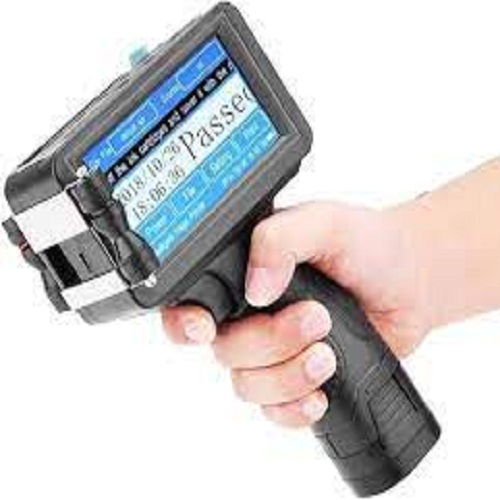
Fully Auto Batch Coding Machine
A Batch Coding Machine is an essential tool used in packaging industries to print batch numbers, expiration dates, manufacturing dates, and other important information directly on products, labels, or packaging materials. These machines play a crucial role in ensuring traceability, compliance with regulations, and consumer safety. They are widely used in industries such as food and beverages, pharmaceuticals, cosmetics, chemicals, and logistics.
Batch coding ensures that products can be traced throughout the supply chain, allowing manufacturers to quickly identify and recall products in case of defects or safety concerns. The machine uses different printing technologies to mark products, such as inkjet, laser, thermal transfer, or hot stamping.
Types of Batch Coding Machines:
Inkjet Batch Coding Machine:
Inkjet coding machines are among the most popular and versatile batch coding systems used today. These machines use a high-speed inkjet system to print batch numbers, expiry dates, logos, and other details on various types of packaging, including plastic, glass, metal, and paper.
Applications: Used in food and beverage, pharmaceuticals, chemicals, and packaging industries for printing on bottles, cartons, pouches, and more.
Laser Batch Coding Machine:
Laser coding machines use laser beams to etch batch codes, dates, and logos onto products or packaging materials. These machines are highly precise, capable of marking on a variety of surfaces, including metals, plastics, and glass, without the need for consumables like ink.
Applications: Often used in high-speed manufacturing environments, especially for coding on hard-to-mark surfaces, such as metal cans, glass bottles, or complex packaging.
Thermal Transfer Batch Coding Machine:
Thermal transfer coders use heat to transfer ink from a ribbon onto the packaging material. This method ensures high-quality, durable prints that resist smudging, fading, or rubbing off. Thermal transfer is ideal for printing on flexible packaging, such as plastic films and pouches.
Applications: Common in food packaging, pharmaceuticals, and consumer goods, particularly for flexible packaging or labels.
Hot Stamping Batch Coding Machine:
Hot stamping machines use a heated die to press ink onto the surface of the packaging material. This technology creates high-quality, durable prints that are ideal for producing glossy, tamper-evident, or decorative codes.
Applications: Commonly used for packaging that requires high-quality branding or premium products, such as cosmetics, luxury items, and high-end electronics.
Dot Matrix Batch Coding Machine:
Dot matrix coders use a series of small dots to form characters, allowing for printing of batch codes, dates, and other text in a wide range of sizes. These machines can print on various materials and are capable of printing multiple lines of text in a single print cycle.
Applications: Widely used in industrial packaging applications, such as heavy-duty cartons, wooden crates, and larger items.
Key Features of Batch Coding Machines:
High-Speed Printing:
Batch coding machines are designed to print codes at high speeds without slowing down the production line. This ensures that coding operations do not cause bottlenecks in high-volume manufacturing environments.
Precise and Accurate Coding:
Batch coding machines deliver precise and accurate prints, ensuring that each product is clearly marked with the correct batch number, expiry date, or other critical information. This is especially important in industries like food and pharmaceuticals, where traceability is vital for consumer safety.
Durability of Prints:
The codes printed by batch coding machines are designed to be durable and resistant to wear and tear. Whether the products are subjected to handling, transportation, or exposure to environmental elements, the print remains legible and intact.
Multi-Line Printing:
Some batch coding machines are capable of printing multiple lines of text, allowing for the inclusion of batch numbers, expiry dates, production codes, and other relevant information in one print cycle.
Flexibility in Materials:
Batch coding machines can print on a wide variety of materials, including plastics, glass, metal, paper, and cardboard. This makes them versatile for different industries with varying packaging needs.
Easy Integration:
Many modern batch coding machines are designed for easy integration into existing production lines, ensuring smooth workflow without the need for extensive modifications to the setup.
Compact Design:
Batch coding machines are typically compact, making them ideal for installation in tight spaces or environments where space is limited. They are designed to be user-friendly and require minimal maintenance.
Automatic Batch Number Generation:
Some machines feature automatic batch number generation, ensuring that each batch code is unique and accurately reflects the production process. This helps prevent human errors and ensures consistency in coding.
User-Friendly Interface:
Modern batch coding machines are equipped with intuitive touchscreen interfaces that make them easy to operate, adjust, and monitor. This simplifies setup, reduces training time, and minimizes operator errors.
Working Process:
Setup and Configuration:
The operator inputs the required information into the machine, such as batch numbers, expiry dates, production dates, and any additional text. Some machines also allow for the uploading of pre-designed graphics or logos.
Film or Product Feeding:
The product or packaging material is fed into the batch coding machine, either manually or automatically, depending on the type of machine and production setup.
Printing:
The machine prints the required information directly onto the product or packaging material. For inkjet machines, ink is sprayed onto the surface, while for laser machines, a laser beam marks the product with the desired code.
Quality Check:
After the code is applied, some machines include built-in sensors or vision systems to verify the accuracy and quality of the print. If any issues are detected (e.g., smudging or misalignment), the machine can automatically reject faulty products or alert the operator.
Collection:
Once the product is successfully coded, it moves down the production line for further processing, packaging, or shipping. The batch-coding process ensures that each product is traceable and complies with regulatory requirements.
Advantages of Batch Coding Machines:
Traceability and Compliance:
Batch coding allows manufacturers to track their products throughout the supply chain. This is critical for recalling products if defects or safety concerns arise. It also ensures compliance with industry regulations regarding labeling and traceability.
Reduced Errors:
By automating the printing of batch codes, expiration dates, and other important information, batch coding machines reduce the risk of human errors that could lead to costly mistakes or non-compliance.
Increased Productivity:
With their high-speed capabilities, batch coding machines enable manufacturers to print codes quickly and efficiently, ensuring that the production process remains uninterrupted and maximally productive.
Cost-Effective:
Batch coding machines eliminate the need for manual labeling, saving both time and labor costs. The use of advanced technologies such as inkjet and laser printing also reduces consumable costs, such as ink or ribbons.
Improved Branding:
Batch coding machines that use high-quality printing technologies, such as thermal transfer or laser marking, ensure that the codes printed on the packaging are sharp, clear, and professional-looking, improving the product’s overall presentation.
Environmentally Friendly:
Some batch coding technologies, like laser marking, do not require inks or solvents, making them an environmentally friendly option compared to traditional printing methods.
Versatility:
Batch coding machines can print on a variety of materials, such as plastic, glass, metal, and cardboard, making them suitable for various industries, including food, beverages, pharmaceuticals, and electronics.
Customization:
Batch coding machines can print customized information, such as logos, barcodes, QR codes, and promotional messages, helping companies enhance their product's branding and marketability.
Applications of Batch Coding Machines:
Food and Beverage Industry:
Batch coding machines are widely used in the food and beverage industry to print expiration dates, batch numbers, production dates, and other important details on food packaging, bottles, cans, and pouches.
Pharmaceutical Industry:
Batch coding is crucial in the pharmaceutical industry to ensure that medicines and medical products are properly labeled with manufacturing dates, expiry dates, and batch numbers, helping with traceability and regulatory compliance.
Cosmetic Industry:
Cosmetics and personal care products require batch coding for labeling production dates, expiry dates, and batch numbers, ensuring safety and traceability.
Chemical Industry:
Chemicals and industrial products are often marked with batch numbers and safety information. Batch coding machines provide clear, permanent markings on chemical containers, improving safety and compliance.
Electronics:
Electronics manufacturers use batch coding to label products with manufacturing dates, serial numbers, and other important details that are necessary for warranty and traceability purposes.
Logistics and Warehousing:
Batch coding machines are used in logistics to mark products or packaging with codes that help in inventory management and tracking, ensuring smooth operations throughout the supply chain.
Conclusion:
A Batch Coding Machine is a vital component in modern manufacturing and packaging operations. It ensures that products are clearly marked with essential information, such as batch numbers, expiry dates, and production details. The machine improves traceability, enhances efficiency, and ensures compliance with industry regulations.With various types of coding technologies available, such as inkjet, laser, thermal transfer, and hot stamping, businesses can choose the right solution based on their specific packaging needs and production requirements.
Enquiry Now