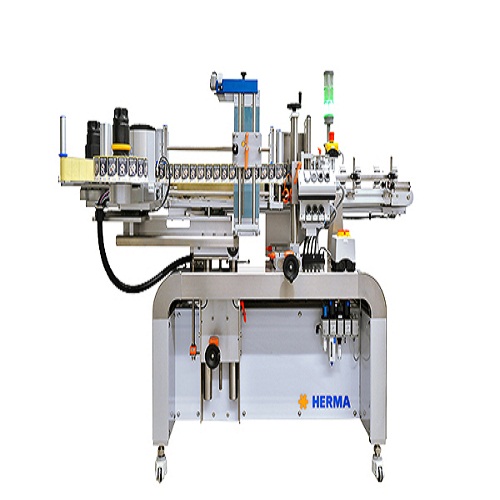
Fully Auto BOPP Labeling Machine
A Labeling Machine is an essential piece of equipment used in various industries for applying labels to products, containers, bottles, and packaging. These machines automate the labeling process, ensuring that labels are applied consistently and accurately. Labeling machines are widely used in industries such as food and beverages, pharmaceuticals, cosmetics, chemicals, and logistics. They are designed to handle different types of labels, including self-adhesive, shrink, and stretch labels, and can be customized for a range of products, such as bottles, jars, cartons, and tubes.
The need for accurate and efficient labeling has grown with the increasing demand for branded products and regulatory compliance. Labeling machines provide a streamlined solution to meet these needs, enhancing production efficiency and maintaining the quality and consistency of the finished product.
Types of Labeling Machines:
Automatic Labeling Machines:
Automatic labeling machines are fully automated systems that apply labels without manual intervention. These machines are ideal for high-speed, high-volume production lines. They can be integrated with other packaging processes, such as filling, capping, and sealing, to create a continuous and automated workflow.
Applications: Used in large-scale manufacturing operations such as beverages, food packaging, and pharmaceuticals.
Semi-Automatic Labeling Machines:
Semi-automatic labeling machines require manual intervention for some steps, such as placing the product on the conveyor belt or adjusting settings. However, the machine automates the labeling process itself, improving efficiency and reducing labor costs compared to manual labeling.
Applications: Suitable for smaller production runs or businesses that do not require full automation.
Wrap-Around Labeling Machines:
Wrap-around labeling machines apply labels to cylindrical products like bottles, jars, and cans. The label wraps around the product, typically covering the entire circumference of the container.
Applications: Commonly used in the beverage, cosmetics, and pharmaceutical industries.
Front and Back Labeling Machines:
These machines are designed to apply labels to both the front and back sides of products, such as bottles or containers. They are often used for packaging products that require information on both sides, like food products or beverages.
Applications: Food packaging, consumer goods, and beverages.
Top and Bottom Labeling Machines:
Top and bottom labeling machines apply labels to the top or bottom surfaces of flat products such as boxes, cartons, and trays.
Applications: Commonly used for boxes, cartons, and other packaging materials in various industries.
Shrink Sleeve Labeling Machines:
Shrink sleeve labeling machines apply shrink labels that, when heated, shrink to tightly fit the shape of the container. These machines are ideal for packaging irregularly shaped items or products with intricate designs.
Applications: Beverage industry, personal care products, and specialty packaging.
Sticker Labeling Machines:
Sticker labeling machines use self-adhesive labels that stick to the surface of the product without requiring additional adhesives. These are commonly used for products that require easy-to-apply, cost-effective labels.
Applications: Used in food packaging, pharmaceuticals, cosmetics, and retail products.
Rotary Labeling Machines:
Rotary labeling machines apply labels at high speeds, using a rotary mechanism to apply labels onto products. These machines are designed for high-capacity production lines and are capable of handling large volumes of products efficiently.
Applications: Ideal for industries with high-speed production needs, such as beverages, pharmaceuticals, and cosmetics.
Key Features of Labeling Machines:
Precision and Accuracy:
Labeling machines ensure that labels are applied precisely and consistently, reducing the risk of errors and misalignment. This is crucial for maintaining a high-quality product appearance and meeting regulatory labeling requirements.
Versatility:
Labeling machines are designed to handle a wide range of product shapes, sizes, and packaging materials. They can apply different types of labels, including adhesive, shrink, and stretch labels, and can be adjusted for various container sizes and shapes.
High-Speed Production:
Many labeling machines are capable of operating at high speeds, allowing manufacturers to keep up with large-scale production demands. High-speed machines are often used in industries like food and beverage production, where speed is crucial for meeting market demand.
Easy Integration:
Labeling machines can be easily integrated into existing production lines, ensuring a smooth workflow from product filling to packaging. Many machines are designed to work in sync with other equipment like fillers, cappers, and conveyors.
User-Friendly Control Panels:
Modern labeling machines feature intuitive, touchscreen control panels that make it easy for operators to set up, monitor, and adjust the machine's operation. This ensures faster setup times and easier troubleshooting.
High Efficiency:
Labeling machines are designed for maximum efficiency, with features that minimize downtime and waste. They can label a large number of products in a short amount of time, improving production efficiency and reducing labor costs.
Flexible Label Handling:
Labeling machines can handle various label materials, such as paper, plastic, or metallic labels. They can also accommodate different label sizes, shapes, and designs, making them versatile for various packaging needs.
Minimal Maintenance:
With proper care and regular maintenance, labeling machines are designed to require minimal upkeep. Many machines come with self-diagnostic features that help identify and resolve issues quickly, reducing downtime.
Working Process:
Feeding:
The labeling process starts with feeding products onto the conveyor system, which moves them towards the labeling station. Products are aligned and spaced evenly to ensure smooth labeling.
Label Application:
The labeling machine then picks up labels from a roll or sheet and applies them to the product. Depending on the type of machine, labels are applied using different mechanisms such as vacuum, pneumatic, or mechanical systems to ensure the labels are applied properly.
Label Positioning:
The label is positioned on the product using the machine's guiding system, ensuring that it is applied accurately, straight, and without wrinkles or bubbles. Some machines use sensors to detect the correct position and ensure accurate application.
Post-Labeling Inspection:
After the label is applied, the product may undergo quality control checks, such as vision systems that verify label placement, alignment, and completeness. If any errors are detected, the product may be ejected or corrected automatically.
Ejection and Collection:
The labeled products are then moved along the conveyor and are either collected in containers or moved to further packaging stations. Some machines are integrated with packaging systems that automatically box, seal, or shrink-wrap the labeled products.
Advantages of Labeling Machines:
Increased Efficiency:
Labeling machines automate the tedious task of manual labeling, speeding up the production process and reducing labor costs. They are capable of applying labels to large volumes of products quickly and consistently.
Consistency and Quality:
Automated labeling ensures that each product receives a properly applied label, maintaining consistency and quality across batches. This is essential for product branding and compliance with regulatory standards.
Reduced Waste:
Labeling machines reduce material wastage by ensuring precise label application and minimizing errors such as misplacement, misalignment, or over-application of labels.
Enhanced Productivity:
With high-speed capabilities, labeling machines significantly improve productivity by handling large quantities of products in less time, making them ideal for high-demand industries like food and beverage.
Customizable and Flexible:
Many modern labeling machines can handle a variety of label sizes, shapes, and materials, making them adaptable to different products and industries. This flexibility is particularly valuable for companies that offer a diverse range of products.
Improved Brand Identity:
Accurate and consistent labeling ensures that products look professional and meet branding standards. Labels are often the first point of contact between a product and the consumer, so properly applied labels contribute to a strong brand identity.
Compliance with Regulations:
Labeling machines help companies adhere to industry standards and regulations, ensuring that product labels contain the required information, such as ingredients, expiry dates, barcodes, and safety instructions.
Applications of Labeling Machines:
Food and Beverage Industry:
Labeling machines are extensively used in the food and beverage sector to label bottles, cans, jars, and boxes with essential product information like ingredients, nutritional facts, and expiration dates.
Pharmaceutical Industry:
In the pharmaceutical industry, accurate labeling is crucial for ensuring that drug packaging contains the correct dosage information, usage instructions, and regulatory compliance data.
Cosmetic and Personal Care Products:
Cosmetics and personal care items, such as bottles of shampoo, lotions, and skincare products, often require labeling machines to apply high-quality, accurate labels that display product details, ingredients, and branding.
Chemical Industry:
The chemical industry uses labeling machines for containers holding cleaning products, pesticides, and other hazardous materials. Proper labeling ensures safety instructions and handling guidelines are clearly visible.
Retail and E-Commerce:
For products sold in retail stores or through e-commerce platforms, labeling machines are used to apply barcodes, price tags, and product labels, helping with inventory management and sales tracking.
Conclusion:
A Labeling Machine is an essential tool for automating the labeling process, improving production efficiency, and ensuring that products meet regulatory standards and branding requirements. With various types of machines available, manufacturers can choose the right one based on their production needs, whether it's for high-speed operations, flexibility in label sizes, or versatility in product types. These machines not only streamline packaging processes but also ensure that products are consistently and accurately labeled, contributing to improved product presentation, customer satisfaction, and compliance with industry regulations.
Enquiry Now