

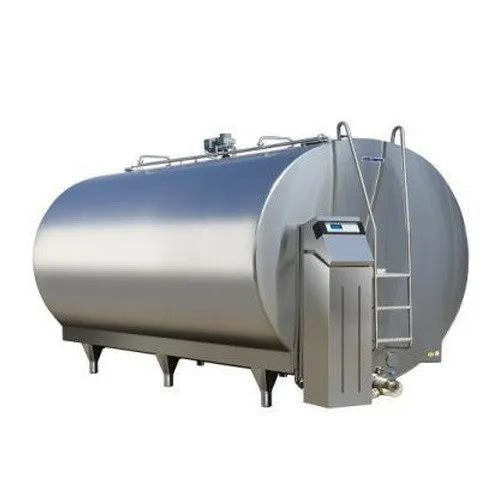
Milk Storage Tank
A Milk Storage Tank is an essential piece of equipment used in the dairy industry for the safe, hygienic, and efficient storage of milk after it is collected from farms and before it is processed into various dairy products. These tanks are designed to maintain the quality, freshness, and safety of milk, and they play a crucial role in preserving the milk's nutritional value while preventing contamination. Milk storage tanks come in various sizes and designs depending on the scale of the operation and the type of milk processing involved.
Key Features of Milk Storage Tanks:
Material:
Stainless Steel: The most commonly used material for milk storage tanks due to its durability, non-corrosiveness, and ease of cleaning. Stainless steel is highly resistant to bacteria growth and ensures that the milk remains free from contamination.
Food-Grade Coatings: Some tanks are made from materials that have been coated with food-grade finishes to further prevent contamination and corrosion.
Insulation: Many milk storage tanks are equipped with insulation to maintain a consistent temperature and keep milk cool.
Temperature Control:
Milk storage tanks are often equipped with cooling systems that rapidly lower the milk’s temperature after it is collected. This is important because keeping milk at a temperature of 4°C (39°F) or lower helps preserve its freshness and prevents bacterial growth.
Double-Walled Tanks: These tanks have an inner and outer wall, with a cooling agent (such as chilled water or glycol) circulating between the walls to help maintain the desired temperature.
Capacity:
Milk storage tanks come in a variety of sizes, typically ranging from 500 liters to several thousand liters, depending on the needs of the dairy operation. Large-scale operations may require storage tanks capable of holding tens of thousands of liters of milk.
Design and Features:
Agitator: Many milk storage tanks come with a built-in agitator, which continuously stirs the milk to ensure that the cream doesn't separate. This keeps the milk evenly mixed and ready for further processing.
Sealed Lid and Vents: Tanks often have sealed lids and air vents to prevent contamination from airborne particles and to allow the milk to be stored in a controlled environment.
Cleaning and Sanitization: Modern milk storage tanks are designed to be easy to clean and sanitize. They often feature smooth surfaces with minimal joints and crevices where bacteria might collect.
Types of Milk Storage Tanks:
Vertical Milk Storage Tanks:
These are the most common design used in dairy farms and processing plants. The tank is vertical, and milk is stored in the upper portion, with the cooling system integrated into the walls.
Vertical tanks are usually easier to clean and maintain, and they are often used when space is limited.
Horizontal Milk Storage Tanks:
These tanks have a horizontal design and are often used in larger facilities where high milk volumes need to be stored.
Horizontal tanks offer a larger surface area for cooling and are ideal for operations that collect and process large quantities of milk.
Bulk Milk Tanks:
These are large capacity tanks typically used for bulk storage of milk before it is transported to processing plants. These tanks can hold up to several thousand liters of milk and are commonly used in the dairy industry for milk storage at cooperative societies and collection centers.
Insulated Milk Tanks:
Insulated tanks feature double walls, where the space between the walls is filled with an insulating material to help maintain a constant temperature inside the tank.
These tanks are used when milk needs to be stored for longer periods without the use of refrigeration.
Refrigerated Milk Tanks:
These tanks come with integrated refrigeration units that automatically cool the milk to the required temperature. This ensures that the milk remains fresh and prevents bacterial growth during storage.
Refrigerated tanks are commonly used in dairy farms, milk processing plants, and large-scale dairy collection centers.
Benefits of Milk Storage Tanks:
Preservation of Milk Quality:
Milk storage tanks help maintain the quality and freshness of milk by keeping it at the correct temperature and preventing contamination. Properly stored milk has a longer shelf life, which is essential for dairy processing.
Hygienic Storage:
Milk storage tanks are designed with sanitary features to ensure the milk remains free from dirt, bacteria, and other contaminants. Stainless steel surfaces prevent bacterial growth, and the design minimizes the risk of contamination during storage.
Temperature Control:
Maintaining the proper temperature is crucial for milk storage. Tanks with built-in cooling systems ensure that milk is kept at the optimal temperature (usually around 4°C or 39°F) to preserve its nutritional value and prevent spoilage.
Efficient Storage and Handling:
Milk storage tanks allow large volumes of milk to be stored efficiently, reducing the need for frequent handling and transport. With tanks designed for easy access and cleaning, dairy workers can ensure smooth operation in dairy farms and processing facilities.
Versatility:
Milk storage tanks can be used for short-term or long-term storage, depending on the needs of the dairy operation. They are also flexible in terms of scale, ranging from small tanks for small farms to large tanks for industrial-scale dairy operations.
Cost Savings:
By maintaining the quality of milk and reducing spoilage, milk storage tanks help reduce milk wastage and improve the profitability of dairy operations. The use of insulated and refrigerated tanks helps minimize the need for external cooling systems, leading to cost savings.
Challenges in Milk Storage Tanks:
Maintenance and Cleaning:
Regular maintenance and cleaning are essential to ensure the proper functioning of milk storage tanks. If tanks are not cleaned thoroughly, bacteria and residues can accumulate, affecting the milk’s quality and hygiene.
Temperature Fluctuations:
While many milk storage tanks are designed to keep milk cool, any malfunction in the cooling system or failure to monitor temperatures could result in spoilage. Maintaining consistent temperatures is critical for preserving milk’s freshness.
Initial Investment Costs:
High-quality milk storage tanks, especially those with integrated cooling systems, can require a significant initial investment. This might be a challenge for small dairy operations or farmers with limited resources.
Energy Consumption:
The cooling systems in milk storage tanks consume energy. For large dairy operations, the ongoing energy costs for running refrigerated tanks can add up. Efficient energy management is important to mitigate these costs.
Conclusion:
Milk storage tanks are a vital component in the dairy industry, ensuring the safe, hygienic, and efficient storage of milk from collection to processing. Whether for small-scale dairy operations or large industrial facilities, these tanks offer a reliable solution for preserving milk quality, reducing spoilage, and enhancing the overall efficiency of milk handling and processing. The various types of milk storage tanks, from simple insulated tanks to advanced refrigerated systems, cater to different needs, ensuring that dairy operations can meet the growing demand for fresh, high-quality milk and dairy products.
Enquiry Now