

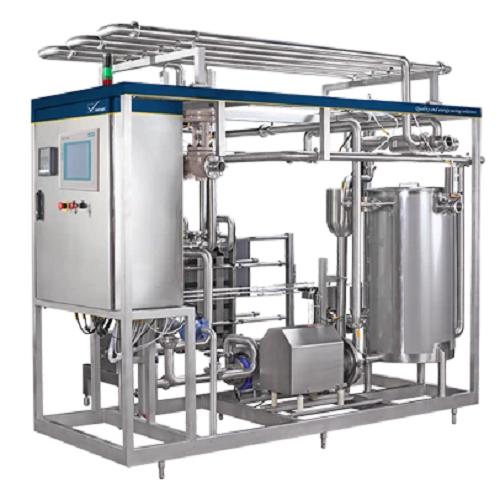
Milk Pasteurizer Machine
A Milk Pasteurizer Machine is a specialized appliance used to heat milk to a specific temperature and then rapidly cool it in order to kill harmful bacteria and pathogens, thereby ensuring the milk is safe for consumption while maintaining its nutritional content. The pasteurization process is a critical step in dairy production to improve milk safety, shelf life, and overall quality. Pasteurization is widely used in the dairy industry, both for large-scale commercial production and small-scale operations.
How a Milk Pasteurizer Machine Works
Milk Heating: The process begins by adding raw milk to the machine's vat or tank. The machine then heats the milk to a specific temperature—usually between 63°C (145°F) and 85°C (185°F), depending on the type of pasteurization being used (low-temperature long-time pasteurization or high-temperature short-time pasteurization).
Holding Time: The milk is held at this elevated temperature for a specific period, typically between 15 to 30 minutes, depending on the pasteurization method. This step ensures that any harmful bacteria or pathogens are destroyed without significantly affecting the milk's flavor and nutritional value.
Cooling: After reaching the desired pasteurization temperature, the milk is rapidly cooled, often by using a heat exchanger or chilled water, to below 4°C (39°F). Rapid cooling is important because it helps prevent the growth of any surviving bacteria and preserves the freshness of the milk.
Storage: Once pasteurized and cooled, the milk is ready for storage. The pasteurized milk is typically stored in clean, sealed containers, either for immediate consumption or further processing.
Types of Milk Pasteurizer Machines
Batch Pasteurizer Machines:
Batch pasteurization involves heating a large quantity of milk in a single tank. This type of pasteurizer heats the milk to the required temperature and holds it there for the specified duration. The milk is then cooled, typically in the same tank.
Batch pasteurizers are ideal for small-scale dairy operations or local dairy farms as they allow producers to pasteurize milk in small batches, offering flexibility in production.
Continuous Pasteurizer Machines:
Continuous pasteurization, also known as HTST (High-Temperature Short-Time), involves the continuous flow of milk through a pasteurizer machine. The milk is heated to the desired temperature, held for a very short period, and then rapidly cooled before being packaged.
Continuous pasteurizers are typically used in large-scale commercial dairy processing. They allow for high-volume production with consistent quality and efficiency.
Plate Heat Exchanger Pasteurizer Machines:
A plate heat exchanger is a type of continuous pasteurizer where plates are used to transfer heat from one fluid to another. This allows for efficient heat transfer, faster pasteurization times, and lower energy consumption.
Plate heat exchangers are often used in both small-scale and large-scale dairy operations due to their efficiency and cost-effectiveness.
Tubular Pasteurizer Machines:
In a tubular pasteurizer, milk flows through long tubes where it is heated by hot water or steam. This method is highly efficient for continuous pasteurization and is commonly used in large-scale dairy processing plants.
Key Features of a Milk Pasteurizer Machine
Temperature Control: One of the most critical features is the precise control of the heating and cooling process. Accurate temperature control ensures the destruction of pathogens while preserving the milk's nutritional value and flavor.
Automated Operation: Many modern milk pasteurizers come with automated systems that control the heating, holding, and cooling phases of the process. This helps ensure consistency and reduces the need for manual monitoring.
Efficient Heat Exchange: Advanced milk pasteurizers often use heat exchangers to improve the efficiency of the pasteurization process, reducing energy consumption while maintaining the desired temperature for the necessary duration.
Cooling Systems: Effective cooling is crucial in preventing bacterial growth after pasteurization. Milk pasteurizers are equipped with rapid cooling systems, such as water-cooled or air-cooled heat exchangers, to quickly lower the milk's temperature.
Cleaning and Sanitization: To prevent contamination, milk pasteurizers are designed with easy-to-clean surfaces, and some machines have built-in CIP (clean-in-place) systems, ensuring hygienic operation between batches.
Capacity: Milk pasteurizers come in various sizes, from small, home-use models to large industrial systems that can handle thousands of liters per hour. The capacity of the machine will depend on the scale of dairy production.
Benefits of Using a Milk Pasteurizer Machine
Improved Milk Safety: The primary benefit of pasteurization is the elimination of harmful pathogens, including bacteria like Salmonella, Listeria, and E. coli, making milk safer for human consumption.
Extended Shelf Life: Pasteurized milk has a longer shelf life compared to raw milk, allowing for more extended storage and reduced spoilage.
Retained Nutritional Value: Modern pasteurization methods, particularly those that use high-temperature short-time (HTST) techniques, preserve much of the milk's nutritional value, including vitamins and minerals.
Consistency and Quality: Pasteurizers ensure consistent quality in every batch of milk, resulting in a more reliable product for consumers. This consistency is especially important for commercial dairy producers.
Energy Efficiency: Many milk pasteurizers are designed to be energy-efficient, incorporating heat recovery systems to reduce the overall energy consumption during the pasteurization process.
Increased Shelf Stability for Other Dairy Products: Pasteurization is also used as a precursor to producing other dairy products like cream, cheese, yogurt, and butter, allowing these products to be safely stored for longer periods.
Compliance with Food Safety Regulations: In many countries, pasteurization is a legal requirement for selling milk and dairy products. Using a pasteurizer ensures compliance with health and safety regulations.
Applications of Milk Pasteurizer Machines
Small-Scale Dairy Operations: Small dairy farms or local producers who sell fresh milk to nearby consumers can use batch pasteurizers to ensure their milk is safe for consumption without large investments in equipment.
Large-Scale Dairy Processing Plants: Large commercial dairy processors use continuous milk pasteurizers for mass production of milk, which is distributed to supermarkets and other retailers.
Artisanal Dairy Products: Makers of artisanal dairy products like cheese, yogurt, or specialty milk (such as organic or raw milk) often use pasteurizers to ensure their milk is safe while retaining the high-quality flavors desired for such products.
Home Use: Home pasteurizers are available for individuals who prefer to pasteurize their milk at home to ensure its safety and quality. These machines are popular with people who own their own cows or goats and prefer to consume their own milk.
Conclusion
A Milk Pasteurizer Machine plays a critical role in modern dairy production, ensuring that milk is safe, nutritious, and consistent. Whether you're a small-scale dairy farmer or a large-scale producer, investing in a pasteurization machine is essential for ensuring the safety of milk and dairy products. With technological advances in pasteurization techniques, these machines offer efficiency, reliability, and energy savings while maintaining the quality of milk.
Enquiry Now