

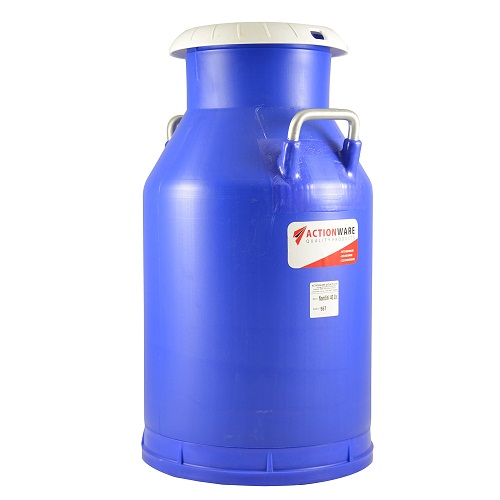
Milk Can
Milk cans are large, cylindrical containers traditionally used for the storage, transportation, and handling of milk in both rural and industrial settings. Made of materials such as stainless steel, aluminum, or galvanized iron, milk cans are designed to ensure milk remains fresh, hygienic, and free from contamination during the collection, storage, and transportation processes. Despite advancements in dairy packaging and storage technologies, milk cans continue to be widely used in many parts of the world, particularly in the dairy farming industry.
Key Features of Milk Cans:
Material:
Stainless Steel: The most common material used in modern milk cans due to its durability, resistance to rust and corrosion, and ease of cleaning.
Aluminum: Lightweight and resistant to corrosion, aluminum milk cans are also popular, although less durable compared to stainless steel.
Galvanized Iron: Historically used, galvanized iron milk cans are coated with zinc to prevent rust, though they are less common today due to the advantages of stainless steel and aluminum.
Capacity: Milk cans are available in a variety of sizes, ranging from smaller 5-liter cans to larger 40-liter or more. The size of the milk can depends on the volume of milk it needs to store or transport and the specific needs of the dairy operation.
Design:
Shape: Typically cylindrical, milk cans are designed for easy stacking and transportation. The smooth, round shape prevents corners where milk might get trapped, making cleaning easier.
Handles: Milk cans come equipped with strong handles for easy lifting and carrying. Some cans have dual side handles, while others have a single handle at the top, often reinforced for durability.
Lid: Most milk cans come with a lid to protect the milk from contamination, dirt, or other external elements. The lids are designed to fit tightly and can be sealed to maintain the freshness of the milk.
Sealing Mechanism: Some milk cans are equipped with sealing mechanisms to prevent spillage and ensure hygiene during transportation, especially in bulk handling.
Uses of Milk Cans:
Milk Collection and Transportation:
From Farm to Processing Plant: Milk cans are often used by dairy farmers and cooperatives to collect milk from the farms and transport it to processing plants or collection centers. The cans help maintain the quality of milk during transport by keeping it cool and sealed.
Local Distribution: In rural or semi-rural areas where modern refrigeration and packaging might not be available, milk cans are used for local delivery of fresh milk to customers.
Storage:
Short-term Storage: Milk cans are used for short-term storage of milk on farms or in milk collection centers before it is processed or transported. These cans are designed to maintain the freshness and hygiene of the milk for a reasonable period.
Hygiene and Quality Control:
Milk cans are designed to prevent contamination from external sources, ensuring that the milk remains uncontaminated during handling and transport. Their ability to be cleaned thoroughly is crucial in maintaining milk's quality.
Industrial Use:
Large-scale milk processing plants use bulk milk cans to receive milk from suppliers. These cans are then transferred into larger storage tanks for further processing into dairy products.
Benefits of Using Milk Cans:
Hygienic Storage and Transportation:
Milk cans provide a hygienic method of storing and transporting milk. Their tightly sealed lids and smooth surfaces prevent contamination by dirt, bacteria, or foreign particles, which is crucial in the dairy industry.
Durability and Longevity:
Made from stainless steel or aluminum, milk cans are robust and long-lasting, capable of withstanding rough handling and frequent use without degradation. These materials ensure that milk cans can be used repeatedly over time without compromising their integrity.
Easy to Clean and Maintain:
Milk cans can be cleaned thoroughly using hot water and disinfectants. The smooth, non-porous surface of stainless steel and aluminum ensures that milk residues can be easily washed away, reducing the risk of bacterial growth and maintaining the quality of the milk.
Cost-Effective:
Milk cans are relatively inexpensive compared to other milk storage and transportation methods, especially when used in small-scale dairy operations or rural areas with limited access to modern packaging technologies.
Portability:
The design of milk cans allows them to be easily carried and transported by hand, animal-drawn carts, or even mechanized vehicles. This makes them an ideal solution for areas with limited access to modern infrastructure.
Sustainability:
Stainless steel and aluminum milk cans are recyclable and have a long service life, making them more environmentally friendly compared to single-use plastic packaging.
Milk Cans in Modern Dairy Operations:
Adaptation to Modern Needs:
While the use of milk cans is still widespread in rural and small-scale dairy operations, larger dairy farms and processing plants increasingly rely on bulk milk tanks and automated systems. However, milk cans continue to be a reliable and cost-effective solution for areas with limited resources or smaller-scale operations.
Improved Design:
Modern milk cans often come with ergonomic handles, improved sealing mechanisms, and enhanced insulation to keep the milk cool during transport. Some advanced milk cans are also designed with integrated refrigeration units to maintain the milk's freshness for longer periods.
Traceability and Quality Control:
With the growing focus on traceability and food safety, milk cans often include features such as QR codes or batch numbers that allow for tracking the origin of the milk and ensuring compliance with food safety standards.
Challenges in Milk Cans Use:
Temperature Control:
While milk cans are durable, they do not provide the same level of temperature control as refrigerated tanks or modern milk containers. This means that during long-distance transportation, milk cans may require external cooling methods (such as ice packs or refrigerated trucks) to maintain milk quality.
Potential for Contamination:
If not properly cleaned or sealed, milk cans can become a source of contamination, leading to spoiled or unsafe milk. It is essential for workers to follow strict hygiene protocols to ensure milk cans are cleaned and sanitized between uses.
Limited Capacity for Large-Scale Operations:
In large-scale dairy operations, the volume of milk produced often exceeds the capacity of standard milk cans. This has led to the development of bulk milk tanks, which can handle higher volumes and provide more efficient storage and transport solutions.
Conclusion:
Milk cans remain an essential and practical solution for milk storage, collection, and transportation, particularly in rural and small-scale dairy operations. They offer several advantages, including durability, hygienic storage, and ease of maintenance. Despite the rise of modern dairy processing technologies, milk cans continue to play a key role in the dairy industry, ensuring that milk reaches consumers in a safe, fresh, and high-quality state. Their long-lasting nature, cost-effectiveness, and versatility make them a vital tool in dairy farming and milk handling worldwide.
Enquiry Now